

fireplaces6464
About fireplaces6464
20 Fun Informational Facts About Fire Place To Buy
The Ultimate Guide to Buying the Perfect Fireplace for Your Home
When it comes to home comfort and visual appeal, couple of components can rival the heat and charm of a fireplace. Whether you’re looking to upgrade an existing unit or set up a new function, the process of selecting the best fireplace can be overwhelming. This guide intends to simplify your purchasing journey by laying out the various types, features, and factors to consider to remember. By the end, you’ll be more informed and ready to make a decision that fits your home.
Types of Fireplaces
Fireplaces are available in different designs, each with its own set of benefits and disadvantages. Understanding these types will help you select the right one for your space.
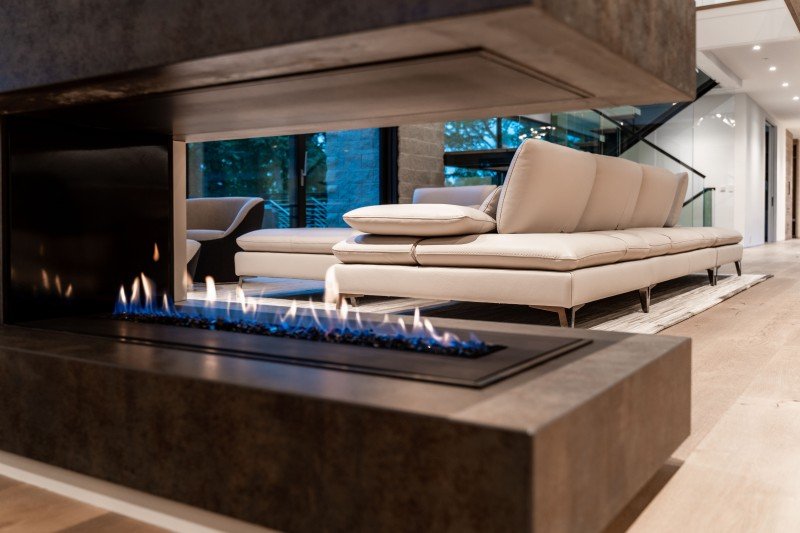
| Type | Description | Pros | Cons |
|---|---|---|---|
| Wood-Burning | Conventional fireplaces that burn logs to produce heat. | Genuine atmosphere, independent fuel. | Needs ventilation, more upkeep. |
| Gas | Use gas or propane as fuel; can be vented or vent-free. | Practical, cleaner than wood. | Setup expenses can be high. |
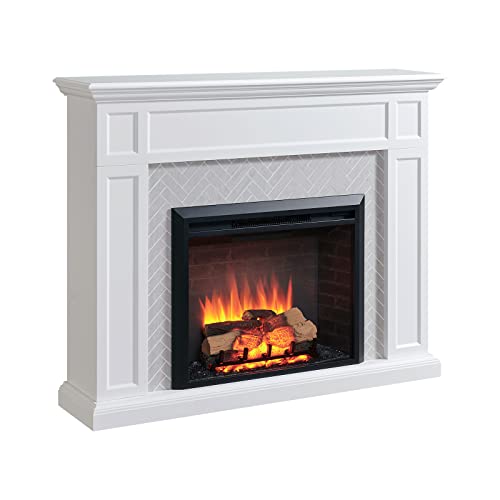
| Electric | Replicate flames without genuine fire; simply plug into an outlet. | Easy setup, no emissions. | Less heat output, may look less genuine. |
| Bioethanol | Usage bioethanol fuel, which is sustainable; eco-friendly. | Tidy burning, no chimney required. | More costly fuel; minimal heat output. |
| Pellet | Burn compressed wood pellets; usually require an electrical source. | Efficient and eco-friendly. | Needs electrical power, can be pricey. |
Key Features to Consider
When choosing a fireplace, there are several features to think about to ensure you make the very best choice for your home.
1. Size and Space
- Step the area where the fireplace will be set up.
- Think about the room’s heating requirements and how the fireplace fits within the general design.
2. Style and Aesthetic
- Choose a design that matches your home design– modern-day, standard, rustic, or contemporary.
- Material options include brick, stone, metal, or a mix.
3. Fuel Type
- Assess your preferences for fuel type and schedule– wood, gas, electrical power, or bioethanol.
- Each fuel type has various operational expenses and ecological impacts.
4. Ventilation Requirements
- Wood-burning and gas fireplaces normally require correct ventilation, which might influence installation costs.
- Direct vent or vent-free options can streamline the installation process.
5. Performance Ratings
- Search for fireplaces with high-efficiency rankings to make sure reliable heating and lower energy costs.
- Energy Star accreditations can also signify higher effectiveness.
6. Setup and Maintenance
- Understand the installation procedure and associated costs and whether expert setup is required.
- Evaluate long-term maintenance factors to consider for your picked type, especially for wood-burning options.
Cost Breakdown
The cost of buying and installing a fireplace can differ significantly based upon type, functions, and setup methods. Below is a summary of potential costs related to different fireplace types.
| Type | Average Cost (Fireplace Only) | Installation Cost | Upkeep Cost (Annual) |
|---|---|---|---|
| Wood-Burning | ₤ 1,000 – ₤ 5,000 | ₤ 2,000 – ₤ 5,000 | ₤ 200 – ₤ 500 |
| Gas | ₤ 1,500 – ₤ 4,000 | ₤ 1,000 – ₤ 3,000 | ₤ 100 – ₤ 300 |
| Electric | ₤ 200 – ₤ 2,000 | Very little (₤ 100 – ₤ 500) | ₤ 0 – ₤ 50 |
| Bioethanol | ₤ 300 – ₤ 1,500 | Minimal (₤ 100 – ₤ 500) | ₤ 50 – ₤ 100 |
| Pellet | ₤ 1,000 – ₤ 3,000 | ₤ 1,000 – ₤ 2,000 | ₤ 100 – ₤ 250 |
FAQs About Fireplaces
1. How do I select the best size fireplace for my space?
- Measure the space and seek advice from a professional to calculate the suitable heating capability.
2. Are electric Fireplaces And Stoves – visit the up coming site, as effective as traditional ones?
- Electric fireplaces supply convenience and aesthetic appeal but might not heat up a space as effectively as conventional wood-burning or gas designs.
3. Do I need an authorization to set up a fireplace?
- Most regional guidelines require a permit for setup, specifically for gas and wood-burning systems. Talk to your local authorities.
4. How do I keep a wood-burning fireplace?
- Regular cleaning, chimney inspections, and appropriate wood storage are necessary to maintain efficiency and safety.
5. Can I convert my wood-burning fireplace to gas?
- Yes, conversions are possible, but they require expert consultation to guarantee it satisfies safety and building codes.
Picking the ideal fireplace is a considerable decision that can impact your home’s convenience, visual appeals, and worth. By understanding the various types, functions, costs, and upkeep requirements, you can make an educated option that suits your requirements and boosts your living area. Take your time to check out choices and speak with professionals to make sure that your last selection offers heat and beauty for several years to come.
Final Tips
- Check out showrooms to see fireplaces in person.
- Read consumer reviews and rankings.
- Do not think twice to ask questions about specific models before buying.
With the right knowledge and preparation, discovering the ideal fireplace can end up being a rewarding journey towards improving your home.
No listing found.